

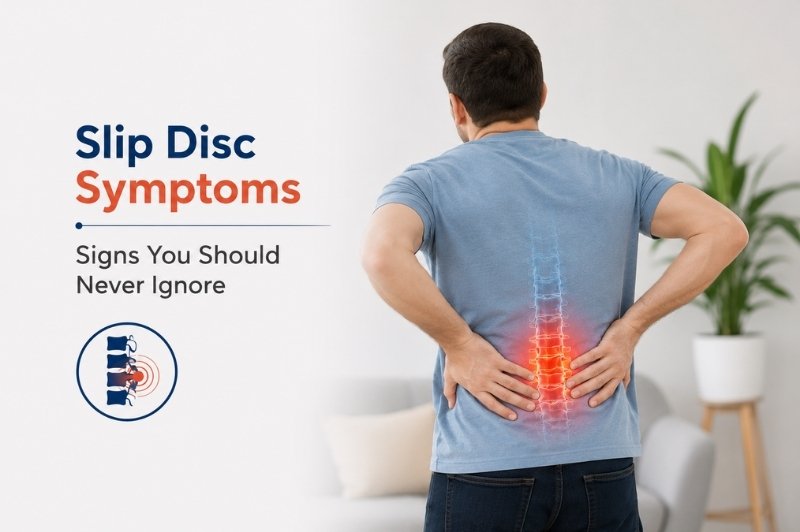
Back pain is becoming increasingly common due to long sitting hours, poor posture, lack of exercise, and stressful lifestyles. While occasional back pain may improve with rest, some symptoms should never be ignored because they may indicate a slip disc problem.
Many people continue daily activities despite ongoing pain and delay medical consultation until the condition becomes severe. Early diagnosis and proper treatment can help prevent complications and improve recovery.
At Riva Clinic, Dr. Tarush Rustagi provides expert evaluation and treatment for slip disc, back pain, neck pain, sciatica, and other spine-related conditions using personalized and advanced spine care approaches.
Visit:
https://rivaclinic.com/
What Is a Slip Disc?
The spine contains small soft cushions called discs between the bones of the spine. These discs help absorb pressure and support movement.
A slip disc happens when one of these discs moves out of place or presses on nearby nerves. This pressure can cause pain, numbness, weakness, or discomfort in different parts of the body.
Slip disc problems can affect people of different age groups and are commonly linked to poor posture, heavy lifting, injuries, and age-related wear and tear.
Common Slip Disc Symptoms You Should Not Ignore
1. Persistent Lower Back Pain
One of the most common symptoms of a slip disc is continuous lower back pain that does not improve easily.
The pain may:
- Increase while sitting or bending
- Become worse after long working hours
- Improve temporarily with rest and return again
- Affect daily movement and routine activities
Recurring back pain should always be evaluated properly.
2. Pain Traveling to the Legs
Pain moving from the lower back to the hips, thighs, or legs may indicate nerve pressure caused by a slip disc.
This condition is commonly known as sciatica and may cause:
- Sharp leg pain
- Burning sensation
- Tingling
- Difficulty walking comfortably
Pain traveling down the leg is an important warning sign that should not be ignored.
3. Numbness or Tingling Sensation
A slipped disc may press on nerves and lead to numbness or tingling sensations in the legs, feet, arms, or hands depending on the affected area of the spine.
Some people describe it as:
- Pins and needles sensation
- Reduced sensation in limbs
- Temporary numbness while sitting or walking
Persistent nerve symptoms need expert evaluation.
4. Muscle Weakness
Weakness in the legs or arms may occur if nerve compression becomes more severe.
You may notice:
- Difficulty climbing stairs
- Reduced grip strength
- Trouble lifting objects
- Weakness while walking
Muscle weakness should never be ignored because prolonged nerve pressure may worsen over time.
5. Neck Pain with Arm Symptoms
When a slip disc affects the neck region, symptoms may include:
- Neck pain
- Shoulder pain
- Pain radiating to the arms
- Tingling in fingers
- Reduced neck movement
Many people assume it is simple muscle strain and delay treatment unnecessarily.
6. Pain That Increases While Sitting
People with slip disc problems often experience worsening pain while sitting for long hours, especially during office work or driving.
Continuous sitting increases pressure on the spine and may aggravate symptoms.
7. Difficulty Standing or Walking for Long
If back pain makes it difficult to stand, walk, or perform normal activities comfortably, it may indicate an underlying spine issue requiring medical attention.
Ignoring mobility-related symptoms can reduce quality of life and daily productivity.
What Causes a Slip Disc?
Several factors can increase the risk of slip disc problems.
Poor Posture
Incorrect sitting posture places excess stress on the spine.
Long Sitting Hours
Office jobs and sedentary lifestyles contribute significantly to spine problems.
Heavy Lifting
Improper lifting techniques can strain spinal discs.
Lack of Exercise
Weak back and core muscles provide less support to the spine.
Age-Related Changes
Spinal discs naturally lose flexibility with age.
Sudden Injury
Falls, accidents, or sports injuries may also contribute to disc problems.
Why Early Diagnosis Matters
Many people ignore symptoms initially and rely only on painkillers or temporary home remedies. However, untreated slip disc problems may gradually worsen.
Early medical care can help:
- Reduce pain effectively
- Prevent nerve damage
- Improve mobility
- Support faster recovery
- Avoid complications
Consulting a spine specialist early may also reduce the need for more extensive treatment later.
How Dr. Tarush Rustagi Helps Patients with Slip Disc Problems
At Riva Clinic, Dr. Tarush Rustagi focuses on identifying the root cause of spine pain and designing personalized treatment plans for every patient.
Treatment may include:
- Detailed spine assessment
- Lifestyle and posture correction
- Exercise guidance
- Physiotherapy recommendations
- Pain management approaches
- Advanced minimally invasive spine procedures when required
The goal is to help patients return to comfortable daily activities safely and effectively.
Tips to Protect Your Spine
Maintain Correct Posture
Sit with proper back support and avoid slouching.
Avoid Sitting Continuously
Take short movement breaks every 30–40 minutes.
Exercise Regularly
Strengthening back and core muscles supports spinal health.
Lift Objects Carefully
Use your legs instead of bending your back while lifting.
Maintain Healthy Weight
Excess weight increases stress on the spine.
Sleep Properly
Choose a supportive mattress and maintain healthy sleep posture.
When Should You See a Spine Specialist?
You should seek medical advice if you experience:
- Back pain lasting several weeks
- Leg pain or numbness
- Tingling sensations
- Muscle weakness
- Difficulty walking
- Neck pain spreading to arms
- Recurrent severe back pain
Early evaluation can help identify the problem before symptoms worsen.
Frequently Asked Questions (FAQs)
1. What are the early signs of a slip disc?
Common early symptoms include lower back pain, leg pain, numbness, tingling, and discomfort while sitting.
2. Can a slip disc heal without surgery?
Many mild to moderate cases improve with proper medical care, physiotherapy, posture correction, and lifestyle changes.
3. Does sitting for long hours worsen slip disc pain?
Yes. Long sitting hours increase pressure on the spine and may worsen symptoms.
4. When should I consult a spine specialist?
You should consult a specialist if pain persists, spreads to the legs or arms, or affects daily activities.
5. Can exercise help prevent slip disc problems?
Yes. Regular exercise helps strengthen muscles supporting the spine and improves flexibility.
Conclusion
Slip disc symptoms should never be ignored, especially when pain spreads to the legs, causes numbness, or affects daily movement. Early diagnosis and proper treatment can help prevent complications and improve long-term spine health.
If you are experiencing persistent back pain or nerve-related symptoms, consult Dr. Tarush Rustagi at Riva Clinic for expert spine care and personalized treatment guidance.
Website:
https://rivaclinic.com/