

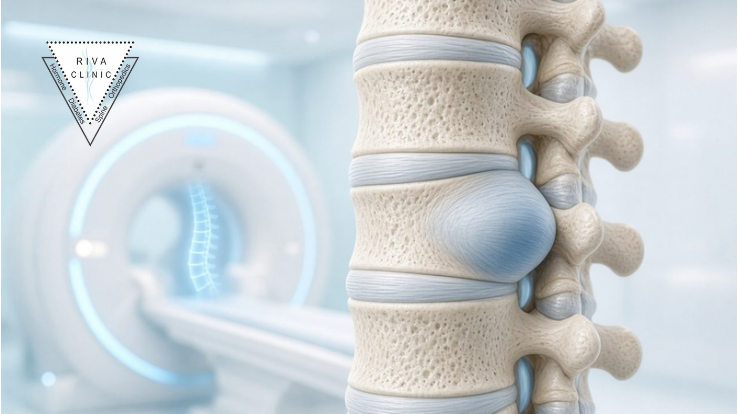
Getting an MRI report that mentions a disc bulge can be worrying. Many people immediately think they need spine surgery. However, an MRI showing a disc bulge does not automatically mean that surgery is required. Many people with disc bulges improve with non-surgical treatment, depending on their symptoms and the condition of their spine.
A disc bulge may cause back pain, neck pain or nerve-related symptoms, but some people have a disc bulge without experiencing any pain. The important question is whether the MRI findings match your symptoms and physical examination.
In this guide, understand what a disc bulge means, when surgery may be necessary and which treatment options a spine surgeon may recommend.
What Does a Disc Bulge Mean in an MRI Report?
Your spine contains small bones called vertebrae. Between these bones are soft, cushion-like structures called intervertebral discs. They absorb pressure and allow the spine to move comfortably.
A disc bulge occurs when the outer part of a spinal disc extends beyond its normal boundary. It may happen due to age-related changes, disc degeneration or other factors.
An MRI can help identify:
- Disc bulging or herniation.
- Disc degeneration.
- Narrowing of the spinal canal.
- Possible nerve compression.
- Changes in the surrounding spinal structures.
A disc bulge is not the same as a slipped or herniated disc, although these terms are sometimes used interchangeably in everyday conversations. A herniated disc generally involves a more localised displacement of disc material.
Important: MRI findings must be interpreted alongside your symptoms and clinical examination. An abnormal MRI does not always identify the actual cause of pain.
Can a Disc Bulge Heal Without Surgery?
Yes. Many people with a disc bulge can manage their symptoms without surgery.
Depending on the condition, treatment may include:
- Appropriate medication prescribed by a doctor.
- Physiotherapy and guided exercises.
- Regular walking and suitable physical activity.
- Changes in daily activities that aggravate pain.
- Follow-up examinations to monitor recovery.
In some cases, symptoms improve as inflammation reduces and the affected nerve becomes less irritated. The disc may also change in appearance over time.
The treatment approach depends on the location of the disc bulge, the degree of nerve compression, pain severity and whether there is any muscle weakness.
What Are the Symptoms of a Disc Bulge?
The symptoms depend on which part of the spine is affected and whether nearby nerves are irritated or compressed.
1. Lower Back Pain
A lumbar disc bulge may be associated with pain in the lower back. Discomfort may become more noticeable during certain movements, bending or prolonged sitting.
2. Pain Travelling Down the Leg
When a lumbar disc affects a nerve, pain may travel from the lower back into the buttock, thigh or leg. This is commonly associated with sciatica.
3. Tingling or Numbness
Some people experience pins-and-needles sensations, numbness or altered sensation in their legs or feet.
4. Muscle Weakness
Nerve compression may affect muscle strength. You may notice difficulty lifting your foot, standing on your toes or walking normally.
5. Neck Pain and Arm Symptoms
A cervical disc bulge may cause neck discomfort, pain travelling into the shoulder or arm, tingling or weakness in the hand.
If you experience new or worsening weakness, seek prompt medical evaluation.
When Does a Disc Bulge Require Surgery?
Surgery is not recommended only because an MRI report mentions a disc bulge. A spine surgeon considers surgery when the symptoms, examination and imaging findings indicate that an operation may provide meaningful benefit.
Surgery may be considered in situations such as:
1. Persistent Pain Despite Non-Surgical Treatment
If severe nerve-related pain continues despite an appropriate course of medication, physiotherapy and other recommended treatments, surgery may be discussed.
2. Significant Nerve Compression
A disc may press against a nerve and cause persistent pain, numbness or other neurological symptoms. If the MRI findings match the affected nerve and symptoms, surgical decompression may be considered.
3. Progressive Muscle Weakness
Increasing weakness in the leg, foot or arm may indicate worsening nerve involvement. Such symptoms require prompt specialist assessment, and surgery may be needed depending on the severity.
4. Emergency Nerve Compression
A rare but serious condition called cauda equina syndrome can occur when nerves at the lower end of the spinal canal become severely compressed.
Warning signs include:
- New difficulty passing urine or loss of bladder control.
- Loss of bowel control.
- Numbness around the groin or inner thighs.
- Severe or worsening weakness in both legs.
These symptoms require immediate emergency medical attention. Do not wait for a routine appointment.
What Are the Non-Surgical Treatment Options for a Disc Bulge?
For many patients, non-surgical treatment is the first approach.
1. Medication
A doctor may prescribe suitable medication to manage pain or inflammation. The choice depends on your medical history, other health conditions and symptoms. Avoid taking painkillers or other medicines without medical advice.
2. Physiotherapy
A physiotherapist may recommend exercises to improve spinal mobility, muscle strength and movement control. The programme should be adjusted to your symptoms and physical condition.
3. Activity Modification
Avoid activities that repeatedly increase your pain, but do not remain on prolonged bed rest unless specifically advised. Gentle movement and a gradual return to normal activities are generally encouraged.
4. Regular Follow-Up
Your doctor may monitor pain, mobility, sensation and muscle strength. Further assessment or imaging may be recommended if symptoms change or treatment decisions require it.
What Surgical Options Are Available for a Disc Bulge?
If surgery is appropriate, the procedure depends on the location of the affected disc and the type of nerve compression.
1. Microdiscectomy
Microdiscectomy is a procedure in which the surgeon removes the part of a herniated disc pressing on a nerve. It is commonly considered for selected patients with persistent sciatica caused by a lumbar disc herniation.
2. Endoscopic Spine Surgery
Endoscopic spine surgery uses a small camera and specialised instruments to access the affected area. It may be suitable for selected disc-related conditions.
3. Microscopic Spine Surgery
Microscopic surgery uses magnification to help the surgeon see and treat the affected spinal structures. It may be considered when a disc or other tissue is compressing a nerve.
Not every disc bulge requires these procedures. The surgeon will explain the expected benefits, risks, alternatives and recovery process before recommending an operation.
How Does a Spine Surgeon Decide Whether You Need Surgery?
A spine surgeon considers several factors before recommending an operation:
- MRI findings: The location and severity of disc changes and nerve compression.
- Pain symptoms: Whether pain is limited to the back or travels into the arms or legs.
- Neurological examination: Muscle strength, sensation, reflexes and movement.
- Treatment history: Whether suitable non-surgical treatment has helped.
- Daily activities: Whether pain or weakness significantly affects walking, working or sleeping.
The decision should be based on the complete clinical picture, not just one line in an MRI report.
Spine Consultation at Riva Clinic, Pitampura, Delhi
Riva Clinic provides spine care under the guidance of Dr. Tarush Rustagi, Consultant Spine Surgeon. The clinic’s spine services include evaluation and management of disc-related conditions and other spinal disorders.
Patients can discuss both non-surgical treatment and advanced surgical options, including minimally invasive approaches, depending on their diagnosis and individual requirements.
If your MRI shows a disc bulge, bring your MRI images, report and previous medical records to your consultation. A specialist assessment can help determine whether you need observation, physiotherapy, medication or further treatment.
Frequently Asked Questions About Disc Bulge and Surgery
1. Does an MRI showing a disc bulge mean I need surgery?
No. Many disc bulges can be managed without surgery. The decision depends on your symptoms, nerve involvement, physical examination and response to treatment.
2. Can a disc bulge heal naturally?
Symptoms may improve over time with appropriate treatment and activity modification. Some herniated disc material may also shrink naturally. However, recovery varies between individuals.
3. How serious is a disc bulge in the lower back?
A disc bulge may be a minor finding or may cause significant symptoms if it irritates or compresses a nerve. Its seriousness depends on the clinical findings, not just the MRI description.
4. When should I consult a spine surgeon for a disc bulge?
Consult a spine surgeon if you have persistent back or leg pain, numbness, tingling, muscle weakness or symptoms that interfere with daily activities. New bladder or bowel problems require emergency assessment.
5. What is the recovery time after disc bulge surgery?
Recovery depends on the procedure, the severity of the condition and the patient’s overall health. Some people return to light activities relatively quickly after minimally invasive procedures, while others need a longer rehabilitation period. Your surgeon will explain an individual recovery plan.
Book a Spine Consultation at Riva Clinic
An MRI report showing a disc bulge does not mean you should immediately prepare for surgery. The right treatment begins with understanding your symptoms, identifying nerve involvement and evaluating the actual cause of your pain.
If you are looking for a spine surgeon in Delhi for disc bulge treatment, consult Dr. Tarush Rustagi at Riva Clinic, Pitampura. Get your MRI reviewed, understand your treatment options and make an informed decision about your spine health.
Riva Clinic – Hormone & Spine Ortho
Address: AD 35 A, Tower Apartments, Pitampura, Near Power House, Outer Ring Road, Entry from Gate No. 1, Service Lane, Delhi – 110034.
Phone: +91 93113-41151 / +91 70421-41515
Email: contact@rivaclinic.com
Website: https://rivaclinic.com/
Book your consultation today and take the right step towards better spine health.