
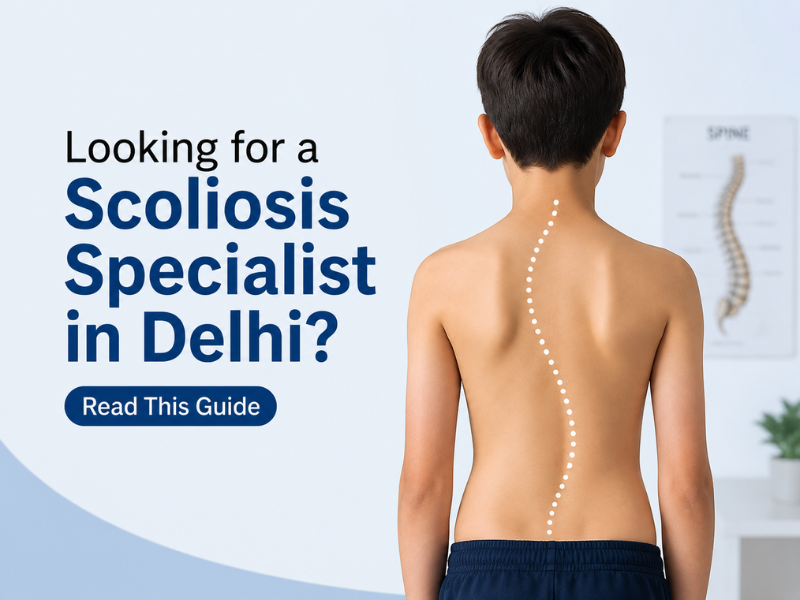
If you or someone in your family has noticed that the back looks slightly uneven or one shoulder appears higher than the other, it is natural to have questions. While these changes may happen for different reasons, they should not be ignored.
Scoliosis is a condition in which the spine curves to one side instead of staying straight. It can affect children, teenagers, and adults. In many cases, early attention can help manage the condition and prevent it from getting worse.
If you are looking for a scoliosis specialist in Delhi, it is important to understand the condition, know the signs to watch for, and choose a doctor who can guide you through the right care.
What Is Scoliosis?
Scoliosis is a sideways curve of the spine. A healthy spine appears straight when viewed from behind. In people with scoliosis, the spine bends to one side.
Some people are born with this condition, while others develop it as they grow. It can also appear later in life because of age-related changes in the spine.
Not every curve causes pain or affects daily life. However, regular medical check-ups are important to understand whether the condition needs treatment or simple monitoring.
Common Signs of Scoliosis
The signs of scoliosis may be mild in the beginning, which is why many people do not notice them early.
Some common signs include:
- One shoulder appears higher than the other.
- Clothes do not fit evenly.
- One side of the waist looks different.
- The body appears slightly tilted while standing.
- Back pain, especially in adults.
- Feeling tired after standing or sitting for a long time.
If you notice one or more of these signs, it is a good idea to consult a spine specialist for an evaluation.
Who Can Develop Scoliosis?
Scoliosis can affect people of all ages.
It is commonly seen in:
- Children during their growing years.
- Teenagers.
- Adults as they get older.
- People with a family history of scoliosis.
Even if there are no symptoms, children who show changes in posture should be examined by a doctor.
Why Early Diagnosis Matters
Many people think a curved back is only a cosmetic concern. However, if the curve becomes more noticeable over time, it may affect posture, movement, and comfort.
Early diagnosis allows the doctor to monitor the condition and recommend the most suitable treatment based on the person’s age, symptoms, and overall health.
Timely medical advice can also help reduce unnecessary worry by providing a clear understanding of the condition.
How Is Scoliosis Diagnosed?
The doctor will first ask about your symptoms and medical history.
During the visit, the doctor may:
- Check your posture.
- Look at the alignment of your shoulders and hips.
- Examine your back while standing and bending.
- Recommend imaging tests if needed to understand the shape of the spine.
These steps help the doctor decide the most appropriate care plan.
How Is Scoliosis Treated?
Treatment depends on several factors, including the person’s age, the degree of the curve, symptoms, and how the condition is changing over time.
Your doctor may recommend:
- Regular check-ups to monitor the condition.
- Exercises that improve posture and flexibility.
- Physical therapy when appropriate.
- Support devices for selected patients.
- Surgery only when it is necessary and after careful evaluation.
Not every person with scoliosis requires surgery. Many people manage well with regular follow-up and non-surgical care.
How to Choose a Scoliosis Specialist in Delhi
Choosing the right doctor is an important step.
Consider the following:
- Experience in treating spine conditions.
- Clear explanation of the condition and treatment options.
- A patient-first approach that answers your questions.
- Access to modern diagnostic facilities.
- Personalized treatment based on your individual needs.
A good specialist will explain every step in simple language and help you make informed decisions about your care.
Can Scoliosis Be Prevented?
Not all cases of scoliosis can be prevented. However, early detection plays an important role.
Simple steps include:
- Watching for changes in posture.
- Encouraging children to attend routine health check-ups.
- Seeking medical advice if back pain or uneven shoulders develop.
- Following the doctor’s recommendations and attending follow-up visits.
Contact Riva Clinic
If you are looking for guidance about scoliosis or have concerns about your spine health, the team at Riva Clinic is here to help. Book an appointment to discuss your symptoms and receive personalized medical advice.
Riva Clinic – Hormone & Spine Ortho
Address:
AD 35 A, Tower Apartments, Near Power House, Outer Ring Road, Entry from Gate No. 1, Service Lane, Pitampura, Delhi – 110034
Phone:
+91 93113-41151
+91 70421-41515
Email:
contact@rivaclinic.com
For appointments or queries, feel free to call or email our team. We are committed to providing patient-focused care in a comfortable and supportive environment.
Frequently Asked Questions (FAQs)
1. What is scoliosis?
Scoliosis is a condition where the spine curves to one side instead of remaining straight. It can affect children, teenagers, and adults.
2. What are the early signs of scoliosis?
Common signs include uneven shoulders, a tilted waist, changes in posture, or back pain. Some people may not notice any symptoms in the early stages.
3. Can adults develop scoliosis?
Yes. Some adults develop scoliosis as they grow older, while others may have had it since childhood.
4. Does scoliosis always cause pain?
No. Many people have scoliosis without pain. However, some adults may experience back discomfort or tiredness after standing or sitting for long periods.
5. Does every person with scoliosis need surgery?
No. Many people are treated without surgery. The doctor will recommend treatment based on your condition and symptoms.
6. When should I see a scoliosis specialist?
You should consult a specialist if you notice uneven shoulders, changes in posture, ongoing back pain, or if your child has a visible curve in the back.
7. Can children with scoliosis lead normal lives?
Yes. With timely medical care and regular follow-up, many children continue their daily activities, including school and sports.
8. How is scoliosis diagnosed?
Doctors usually begin with a physical examination and may recommend imaging tests if needed to understand the shape of the spine.
9. Is scoliosis a serious condition?
The severity varies from person to person. Some people require only regular monitoring, while others may need treatment depending on how the condition progresses.
10. Why is early diagnosis important?
Early diagnosis helps doctors monitor the condition and recommend the right treatment at the right time, which may help prevent further changes in the spine.