

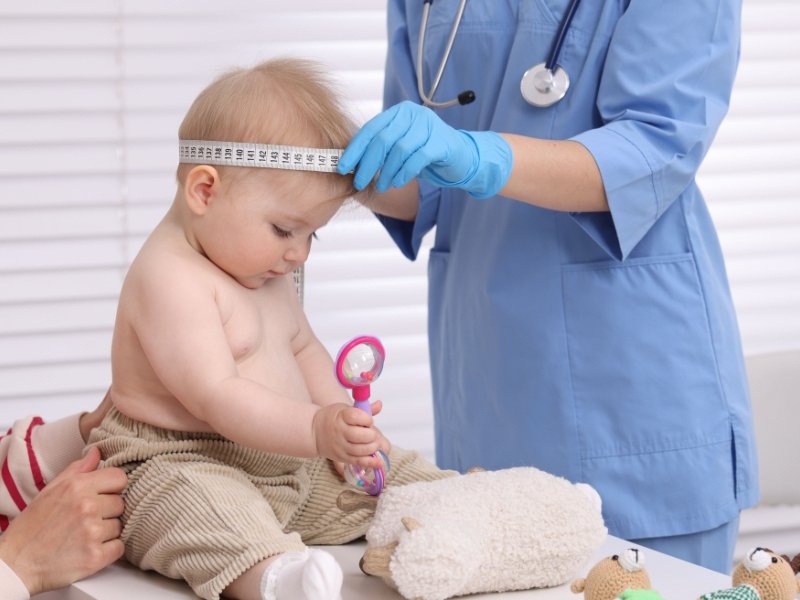
Every child grows at a different rate. Some children are naturally shorter because of family height, while others may grow later than their friends. However, if a child is growing much more slowly than expected, has a significant difference in height compared with children of the same age, or shows a change in their usual growth pattern, it is important to understand the possible reason.
One possible cause is Growth Hormone Deficiency (GHD). Growth hormone is important for normal growth and development during childhood. When the body does not produce enough growth hormone, a child may have slower height gain and may require evaluation by a pediatric endocrinologist.
If you are looking for a growth hormone deficiency specialist in Delhi, Dr. Vaishakhi Rustagi at Riva Clinic provides pediatric and adolescent endocrine care for children with growth, puberty, hormone, thyroid, diabetes, and related concerns.
What Is Growth Hormone Deficiency in Children?
Growth Hormone Deficiency (GHD) is a condition in which the body does not produce enough growth hormone for normal growth.
Growth hormone is produced by the pituitary gland and has an important role in childhood growth, bone development, muscle development, and body composition. When growth hormone production is low, a child may grow more slowly than expected.
Growth hormone deficiency can be present from birth or develop later. In some children, no clear cause is found. In others, it can be associated with problems affecting the pituitary gland, brain, genetic conditions, or certain medical conditions.
Importantly, being short does not automatically mean a child has growth hormone deficiency. Familial short stature, constitutional growth delay, nutritional problems, chronic illnesses, thyroid disorders, and other conditions can also affect growth.
That is why a proper child growth evaluation is important before deciding on treatment.
Symptoms of Growth Hormone Deficiency in Children
The signs of growth hormone deficiency can vary from one child to another. The most important clue is usually a slower-than-expected growth rate over time.
Parents may notice:
- Height increasing more slowly than expected
- Child being significantly shorter than children of the same age
- A noticeable decline in height growth over time
- Clothes and shoes continuing to fit for a long period
- Delayed physical development in some cases
- A younger-looking appearance compared with children of the same age
- Delayed puberty in some older children
A single height measurement is not enough to diagnose a growth problem. Doctors generally look at the child’s growth pattern and growth velocity over time.
If you are concerned that your child is not growing taller as expected, Riva Clinic provides a detailed child growth and height evaluation in Delhi.
When Should Parents Consult a Pediatric Endocrinologist?
Parents should consider consulting a pediatric endocrinologist in Delhi when they notice persistent concerns about their child’s growth.
An evaluation may be useful if:
- Your child is growing much more slowly than before.
- Your child is significantly shorter than expected for their age.
- The growth chart shows a concerning change in growth pattern.
- Your child has very slow height gain over one or more years.
- Puberty appears delayed or develops unusually early.
- There is a family history of growth or hormone-related disorders.
- Your pediatrician has recommended specialist assessment.
- Your child has another medical condition that may affect growth.
Early evaluation does not mean that your child will automatically need medicine. It helps determine whether the growth pattern is normal or whether further investigation is required.
How Is Growth Hormone Deficiency Diagnosed?
Diagnosis of growth hormone deficiency requires a detailed assessment. A doctor does not diagnose GHD based only on a child’s height.
The evaluation may include:
1. Growth Chart Assessment
The doctor reviews previous height and weight measurements to understand the child’s growth velocity. This is often one of the most important parts of the assessment.
2. Family Height and Medical History
The doctor may ask about the height of both parents, birth history, nutrition, previous illnesses, medications, and the child’s overall development.
Family height can help determine whether a child’s shorter stature may be part of their natural growth pattern.
3. Physical Examination
A pediatric endocrinologist may assess the child’s physical development, body proportions, puberty stage, and other signs that may provide clues about the cause of slow growth.
4. Bone Age Assessment
A bone age test may be recommended in selected children. It usually involves an X-ray of the hand and wrist to assess skeletal maturity.
Bone age can provide useful information about whether bone development is delayed compared with chronological age and can help the doctor understand the child’s growth potential.
Riva Clinic also provides information about bone age testing for child growth in Delhi.
5. Blood and Hormone Tests
Depending on the child’s symptoms and growth pattern, the doctor may recommend blood tests to look for conditions that can affect growth.
These may include tests related to thyroid function, general health, nutrition, and growth-related hormones.
In selected cases, a doctor may recommend specific growth hormone stimulation testing. The choice of testing depends on the individual child and should be decided by a pediatric endocrinologist.
Is Growth Hormone Treatment Available for Children?
Yes, growth hormone therapy may be used for children with confirmed growth hormone deficiency and certain other medical conditions where treatment is considered appropriate.
However, growth hormone is not a general height-increasing treatment for every short child.
Before treatment is considered, the doctor evaluates factors such as:
- The child’s diagnosis
- Age
- Growth pattern
- Bone maturity
- Overall health
- Relevant test results
- Potential benefits and risks
When treatment is prescribed, the child requires regular medical follow-up. Growth is monitored over time, and treatment may be adjusted according to the child’s response and clinical needs.
The purpose of treatment is to address an identified medical condition and support healthy growth, rather than simply trying to make a child taller than their natural potential.
For more information, read Riva Clinic’s guide to Growth Hormone Deficiency Treatment in Delhi.
Can Nutrition and Lifestyle Improve a Child’s Growth?
Healthy nutrition, sleep, and physical activity are important for normal development.
Parents can support healthy growth by providing:
- A balanced diet with adequate protein and essential nutrients
- Regular physical activity
- Adequate sleep according to the child’s age
- Regular health check-ups
- Appropriate treatment of existing medical conditions
However, healthy food or exercise cannot correct an underlying hormone deficiency by itself.
Parents should also be careful with products that claim to increase a child’s height quickly. Supplements, medicines, or hormone products should not be started without advice from a qualified doctor.
Why Early Growth Evaluation Matters
Growth concerns are sometimes ignored because parents expect the child to catch up naturally.
Some children do catch up, particularly when their growth pattern reflects normal family variation or constitutional growth delay. But persistent slow growth can sometimes be associated with an endocrine or other medical condition.
A timely evaluation can help identify the reason for slow growth and determine whether the child needs monitoring, further testing, or treatment.
At Riva Clinic, the approach includes reviewing growth history and the child’s overall health before creating an individualized care plan.
Growth Hormone Deficiency Treatment in Delhi at Riva Clinic
If your child is shorter than expected, growing slowly, or showing other signs of delayed growth, consulting a pediatric endocrinologist in Delhi can help you understand the situation.
At Riva Clinic, Dr. Vaishakhi Rustagi provides pediatric and adolescent endocrinology care for growth disorders, puberty concerns, thyroid conditions, diabetes, and other hormone-related problems.
The evaluation focuses on understanding the individual child’s growth pattern rather than assuming that every short child has growth hormone deficiency.
Parents can also explore Riva Clinic’s pediatric endocrinology services in Delhi for information about related hormone and growth concerns.
Frequently Asked Questions
1. What are the main symptoms of growth hormone deficiency in children?
Slow height growth is one of the main signs. A child may remain significantly shorter than children of the same age or show a reduction in their usual growth rate. Other signs can include delayed physical development and, in some cases, delayed puberty.
2. Does every short child have growth hormone deficiency?
No. Short stature can have many causes, including family height, constitutional growth delay, nutrition, chronic illness, thyroid disorders, and other conditions. A proper evaluation is needed to identify the cause.
3. What tests are used for growth hormone deficiency?
Evaluation may include growth-chart review, family and medical history, physical examination, bone age assessment, blood tests, and, when appropriate, growth hormone stimulation testing.
4. Is a bone age test necessary for every child?
Not necessarily. A pediatric endocrinologist decides whether a bone age test is useful based on the child’s growth pattern, age, physical development, and other findings.
5. Can growth hormone deficiency be treated?
Yes. Children with confirmed growth hormone deficiency may be considered for growth hormone therapy. Treatment should be prescribed and monitored by an appropriately qualified pediatric endocrinologist.
6. At what age should a child be evaluated for slow growth?
There is no single age at which every child should be evaluated. Parents can seek medical advice whenever they notice persistent slow growth, a concerning change in growth pattern, or delayed development.
7. Which doctor treats growth hormone deficiency in children?
A pediatric endocrinologist specializes in hormone and growth-related conditions in children and adolescents and can evaluate suspected growth hormone deficiency.
8. Can food or supplements cure growth hormone deficiency?
No. Good nutrition supports healthy growth, but it does not replace medical treatment for a confirmed hormone deficiency. Avoid giving hormone products or unproven height supplements without medical advice.
Concerned About Your Child’s Height or Growth?
If you have noticed that your child is growing more slowly than expected, do not rely only on comparisons with classmates or advertisements for quick height solutions.
A proper evaluation can help determine whether your child’s growth pattern is within the expected range or whether further investigation is needed.
Book a pediatric endocrinology consultation at Riva Clinic, Delhi, with Dr. Vaishakhi Rustagi to discuss your child’s height, growth pattern, puberty, or suspected hormone-related concerns.
Riva Clinic provides child-focused evaluation and personalized care for growth and hormone-related conditions.
Call for an appointment: +91 93113 41151 / +91 70421 41515
Website: Riva Clinic
Appointment: Contact Riva Clinic