

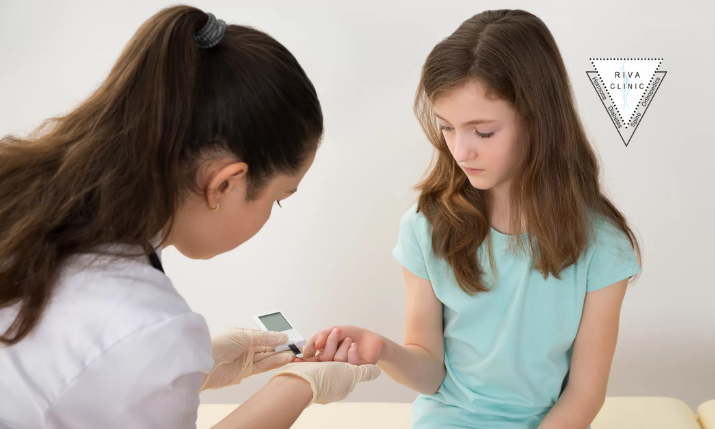
Type 1 diabetes in children can develop quickly, and its early symptoms may be mistaken for common childhood problems. A child who suddenly drinks more water, urinates frequently, loses weight without trying, or feels unusually tired may need prompt medical assessment.
Recognising these warning signs is important because untreated type 1 diabetes can lead to diabetic ketoacidosis (DKA), a serious and potentially life-threatening emergency. Early diagnosis and appropriate treatment help children stay healthy and manage the condition.
At Riva Clinic in Pitampura, Delhi, parents can seek guidance from a pediatric and adolescent endocrinologist for concerns about diabetes, hormones, and child health.
What Is Type 1 Diabetes in Children?
Type 1 diabetes is a condition in which the body’s immune system mistakenly attacks the insulin-producing cells in the pancreas. Insulin is a hormone that helps glucose, or blood sugar, enter the body’s cells to provide energy.
When the body produces little or no insulin, glucose builds up in the bloodstream instead of being used properly by the cells. This causes high blood sugar and can lead to symptoms that develop over days or weeks.
Type 1 diabetes can occur in babies, young children, school-age children, and teenagers. It is an autoimmune condition and is not caused simply by eating sweets or having too much sugar in the diet.
What Are the Early Symptoms of Type 1 Diabetes in Children?
The symptoms can sometimes look ordinary at first. Parents should pay attention to new symptoms, particularly when several occur together or become more noticeable over a short period.
1. Excessive Thirst
A child may ask for water more often, drink unusually large amounts, or wake up at night because they are thirsty. This happens because high blood sugar causes the body to lose more water through urine.
A noticeable change in drinking habits deserves attention, especially when accompanied by frequent urination.
2. Frequent Urination or New Bedwetting
Children with type 1 diabetes may urinate more often than usual. Younger children who have already stopped wetting the bed may suddenly begin doing so again.
Parents may initially attribute this to drinking more water, changes in routine, or a urinary problem. However, frequent urination combined with excessive thirst can be an important diabetes warning sign.
3. Unexplained Weight Loss
A child may lose weight despite eating normally or feeling hungrier than usual. Without enough insulin, the body cannot use glucose effectively for energy and may start breaking down fat and muscle.
Unexplained weight loss should not be dismissed as a growth spurt or a temporary change in appetite.
4. Increased Hunger
Some children feel hungry soon after eating or ask for larger portions. Their cells are not receiving energy from glucose as they normally should, even though blood sugar levels may be high.
Increased hunger together with weight loss and excessive thirst needs prompt medical evaluation.
5. Unusual Tiredness or Irritability
A child may seem exhausted, sleep more than usual, struggle to concentrate, or become unusually irritable. Younger children may not be able to explain how they feel.
These symptoms can have many causes, but they should be checked when they occur alongside changes in thirst, urination, or weight.
6. Blurred Vision or Other Changes
High blood sugar can temporarily affect vision. Some children may also experience weakness, headaches, or reduced energy.
Do not wait for every symptom to appear before seeking medical advice. Type 1 diabetes can progress quickly, and symptoms may vary from child to child.
When Is Type 1 Diabetes a Medical Emergency?
Parents should know the warning signs of diabetic ketoacidosis (DKA). This can occur when the body does not have enough insulin and begins producing high levels of acids called ketones.
Seek emergency medical care immediately if your child has any of the following:
- Vomiting or severe nausea.
- Abdominal pain along with possible diabetes symptoms.
- Deep, rapid, or difficult breathing.
- Breath that smells fruity or sweet.
- Severe weakness, unusual drowsiness, or confusion.
- Signs of significant dehydration.
DKA may be the first noticeable sign of type 1 diabetes. If these symptoms occur, do not wait for a routine appointment or attempt to manage the situation with home remedies. Go to the nearest emergency department.
What Should Parents Do If They Notice These Symptoms?
If your child has excessive thirst, frequent urination, unexplained weight loss, or several symptoms together, seek same-day medical assessment. If emergency warning signs are present, go to the hospital immediately.
Here are the next steps:
- Contact a healthcare professional promptly. Explain when the symptoms began and how they have changed.
- Describe all noticeable changes. Mention increased thirst, bedwetting, appetite changes, weight loss, tiredness, or vomiting.
- Do not delay assessment. Do not wait several days to see whether symptoms improve on their own.
- Follow medical advice about testing and treatment. A healthcare professional can determine whether urgent hospital care is needed.
A home blood glucose meter may provide useful information when advised by a clinician, but it should not replace medical assessment or delay emergency care.
How Is Type 1 Diabetes Diagnosed in Children?
Doctors use blood tests, symptoms, and clinical assessment to diagnose diabetes. Testing may include:
- Blood glucose test: Measures the amount of glucose in the blood.
- HbA1c test: Provides information about average blood sugar over approximately the previous two to three months.
- Diabetes autoantibody tests: May help identify the autoimmune process associated with type 1 diabetes.
- Additional tests: Depending on the child’s condition, doctors may check ketones, electrolytes, and other measures, especially if DKA is suspected.
Not every child needs every test. When a child appears seriously unwell or DKA is suspected, emergency assessment and treatment take priority.
How Is Type 1 Diabetes Treated in Children?
Children with type 1 diabetes need insulin because their bodies cannot produce enough of it. Treatment is individualised according to the child’s age, blood glucose patterns, daily activities, meals, and medical needs.
Ongoing care commonly includes:
- Insulin through injections or an insulin pump.
- Regular blood glucose monitoring, sometimes using a continuous glucose monitor.
- Guidance on meals, physical activity, illness, and school routines.
- Education for parents and caregivers about low and high blood sugar.
- Regular follow-up with the child’s diabetes care team.
Type 1 diabetes currently has no established routine cure, but appropriate treatment and monitoring can help children participate in school, sports, and everyday activities. Never start, stop, or change insulin doses without guidance from the child’s treating team.
Frequently Asked Questions
1. What are the first signs of type 1 diabetes in a child?
Common early signs include excessive thirst, frequent urination, new bedwetting, unexplained weight loss, increased hunger, and unusual tiredness. Symptoms may develop quickly over days or weeks.
2. Can a child develop type 1 diabetes without a family history?
Yes. Type 1 diabetes can develop in children who have no known family history of the condition. A lack of family history does not rule it out.
3. Does eating too much sugar cause type 1 diabetes?
No. Type 1 diabetes is an autoimmune condition in which the immune system damages insulin-producing cells in the pancreas. It is not caused simply by eating sweets.
4. When should parents take a child with possible diabetes to the hospital?
Seek prompt medical assessment for excessive thirst, frequent urination, or unexplained weight loss. Vomiting, abdominal pain, deep or rapid breathing, fruity-smelling breath, confusion, or severe drowsiness require emergency care.
5. Can type 1 diabetes in children be managed?
Yes. With prescribed insulin, blood glucose monitoring, education, and regular medical follow-up, children with type 1 diabetes can lead active lives. Their care plan should be tailored to their individual needs.
Explore More from Riva Clinic
https://rivaclinic.com/contact-pediatric-clinic-delhi/
https://rivaclinic.com/about-riva-clinic-delhi/
Concerned About Your Child’s Symptoms? Contact Riva Clinic
Early recognition of type 1 diabetes symptoms can help children receive timely medical care. If your child is unusually thirsty, urinates frequently, loses weight unexpectedly, or seems persistently tired, arrange prompt medical assessment. Do not delay emergency care if symptoms suggest diabetic ketoacidosis.
For guidance about pediatric diabetes and endocrine health, contact Riva Clinic in Pitampura, Delhi.
Riva Clinic – Pitampura, Delhi
- Address: AD 35 A, Tower Apartments, near Power House, Outer Ring Road, entry from Gate No. 1, Service Lane, Delhi – 110034
- Phone: +91 93113-41151 / +91 70421-41515
- Email: contact@rivaclinic.com
Take the next step towards understanding your child’s symptoms and getting the right medical guidance.