

Many parents worry when their child is shorter than other children of the same age. They may notice that their child is growing slowly or that puberty has not started at the expected time. In these situations, a doctor may recommend a bone age test to understand the child’s growth and bone development.
A bone age test for height growth helps doctors assess how mature a child’s bones are compared with their actual age. It can also provide useful information about the remaining growth period. However, this test cannot predict a child’s final height with complete accuracy.
If you are concerned about your child’s height, understanding the bone age test can help you make informed decisions about their health.
What Is a Bone Age Test?
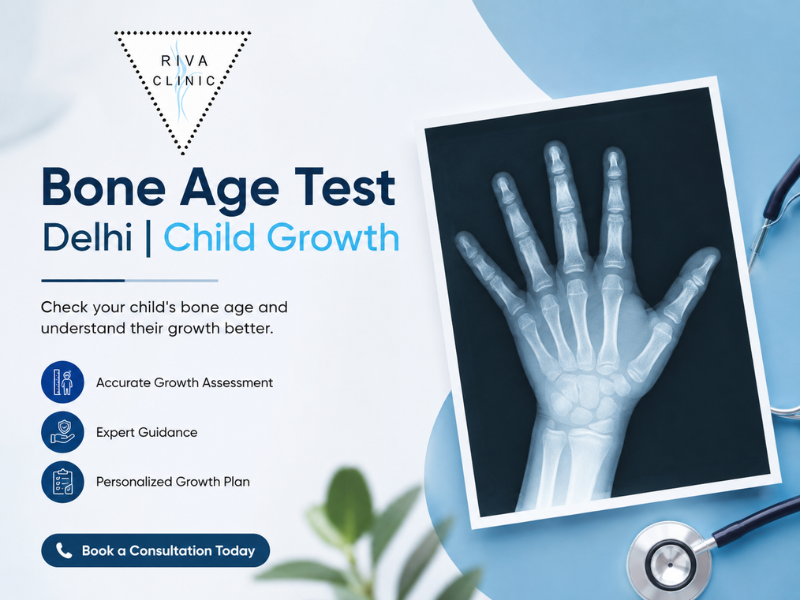
A bone age test is an X-ray examination that helps doctors assess the maturity of a child’s bones. It is usually performed on the left hand and wrist.
A child’s actual age is calculated from their date of birth. Bone age, on the other hand, refers to the level of development seen in their bones.
For example, a 12-year-old child may have a bone age that is younger or older than 12 years. This difference can provide useful information about the child’s growth pattern.
Doctors may recommend a bone age X-ray when a child is shorter than expected, grows slowly, shows signs of early puberty, or has delayed puberty.
The test is usually quick and does not require surgery or injections. A doctor reviews the X-ray along with the child’s growth history and other medical findings.
How Does a Bone Age Test Help With Height Growth?
Children grow because their bones increase in length. This process takes place at areas called growth plates, which are located near the ends of certain bones.
During childhood and adolescence, these growth plates allow bones to become longer. As a child matures, the growth plates gradually become thinner and eventually close.
Once the growth plates have closed, significant natural height growth is no longer expected.
A bone age X-ray helps doctors assess how far bone development has progressed. It can provide clues about whether a child may have more time to grow.
For example:
- If bone age is younger than actual age, the child’s bones may be maturing more slowly.
- If bone age is close to actual age, bone development may be progressing at a similar rate.
- If bone age is older than actual age, the child’s bones may be maturing faster.
These findings do not automatically indicate a medical problem. A doctor must consider the child’s overall health, family height patterns, growth rate, and stage of puberty before drawing conclusions.
When Does a Child Need a Bone Age Test?
Not every child who is shorter than their classmates needs an X-ray. Some children are naturally shorter because of family genetics and continue to grow at a normal rate.
A pediatrician or pediatric endocrinologist may recommend a bone age test when there are concerns about the child’s growth or development.
1. Height Is Increasing Slowly
If your child’s height increases more slowly than expected over time, a doctor may recommend further evaluation. Growth measurements recorded on a chart help show whether the child is following their usual growth pattern.
2. The Child Is Much Shorter Than Expected
A child who is significantly shorter than other children of the same age may need an assessment. Family height, previous growth measurements, nutrition, and medical history are important parts of this evaluation.
3. Puberty Starts Early or Late
Puberty affects the timing of the growth spurt and the development of growth plates. Early or delayed puberty may change the pattern of bone maturation.
A bone age test can help the doctor understand these changes.
4. Growth Seems to Have Stopped Too Early
Some parents notice that their teenager has stopped gaining height as expected. A doctor may assess bone age to understand the maturity of the growth plates and whether further growth may be possible.
5. A Hormonal Problem Is Suspected
Thyroid disorders, growth hormone problems, and certain other medical conditions can affect a child’s growth. A bone age test may form part of the evaluation when a doctor suspects a hormonal cause.
The test is not enough to diagnose these conditions on its own. Additional examinations or blood tests may be needed.
What Does a Bone Age X-Ray Show?
A bone age X-ray provides information about the maturity of the bones in the hand and wrist. Doctors compare the appearance of the bones with standard references to estimate bone age.
The results can help answer several questions:
- Is the child’s bone development progressing as expected?
- Are the bones maturing earlier or later than expected?
- Could the child have additional time for height growth?
- Is further evaluation needed for a possible growth or hormonal disorder?
The doctor may use this information to decide whether the child needs observation, further tests, or treatment for an identified condition.
A bone age test can also contribute to an estimate of adult height. However, this estimate has limitations. It should not be treated as a guarantee of how tall the child will become.
Does Bone Age Predict Final Height Accurately?
A bone age test can help estimate future growth, but it cannot tell a child’s exact adult height.
Final height depends on several factors, including:
- Genetic height patterns in the family
- Current height and growth rate
- Stage and timing of puberty
- Bone maturity and growth plate development
- Nutrition and general health
- Hormonal conditions and other medical factors
Two children with similar bone ages may not reach the same adult height. Estimates may also change as children grow and more information becomes available.
Parents should therefore avoid making decisions based on a bone age report alone. A specialist can explain what the findings mean for the individual child.
What Happens After a Bone Age Test?
The next step depends on the child’s symptoms, growth history, physical examination, and test results.
If growth is progressing normally, the doctor may recommend regular height measurements and follow-up visits.
If the results suggest a possible growth concern, additional tests may be advised. These can include blood tests to assess thyroid function, growth-related hormone markers, or other health conditions when clinically appropriate.
Treatment is based on the cause of the growth concern. Some children may need only monitoring and guidance on nutrition and general health. Others may need treatment for an identified hormonal or medical condition.
Not every child with short stature needs medication or hormone treatment. Medical treatment should only be considered after an appropriate assessment.
When Should Parents Consult a Pediatric Endocrinologist?
Consider consulting a pediatric endocrinologist if your child has a persistently slow growth rate, is much shorter than expected, has an unusual growth pattern, or shows signs of early or delayed puberty.
You should also seek medical advice if your child’s height growth changes noticeably or if there are other concerns, such as unexplained weight changes or symptoms that may suggest a hormonal problem.
A pediatric endocrinologist specialises in hormone-related conditions in children and teenagers. The specialist can review the child’s growth chart, family history, physical development, and test results to decide whether further investigation is needed.
At Riva Clinic in Pitampura, Delhi, Dr. Vaishakhi Rustagi provides care for children and teenagers with growth, puberty, thyroid, and other hormone-related concerns.
Visit the Riva Clinic website to learn more about child growth and pediatric endocrinology services.
Frequently Asked Questions
1. What is a bone age test for height growth?
A bone age test is usually an X-ray of the left hand and wrist. It helps doctors assess bone maturity and understand whether a child’s bones are developing faster, slower, or at a rate similar to their actual age.
2. At what age can a child have a bone age test?
A doctor may recommend a bone age test during childhood or adolescence when there are concerns about growth or puberty. The decision depends on the child’s symptoms and medical history, not just their age.
3. Can a bone age test tell my child’s final height?
No. It can help estimate future height, but the result is not exact. Genetics, puberty, growth rate, bone maturity, and health conditions can all affect adult height.
4. Does a delayed bone age mean my child will grow taller?
Not necessarily. A younger bone age may indicate that the bones are maturing more slowly and that more growth time may remain. However, the final outcome depends on the underlying cause and other growth factors.
5. Is a bone age X-ray safe for children?
A bone age test uses a small amount of radiation. It is generally considered a low-radiation examination when medically indicated. The doctor and radiology team can explain the procedure and any relevant precautions.
6. Which doctor should I consult for a bone age test?
A pediatrician or pediatric endocrinologist can assess your child’s growth and determine whether a bone age test is needed. The specialist can also explain the results and recommend further evaluation if necessary.
Support Your Child’s Healthy Growth
Every child grows at a different pace. However, persistent slow growth, unusual growth patterns, or changes in puberty deserve proper attention.
A bone age test can provide useful information, but it is only one part of a complete growth assessment. Understanding the results in the context of your child’s overall development is important.
If you are concerned about your child’s height, consult a pediatric endocrinologist for personalised medical guidance.
Book a consultation with Dr. Vaishakhi Rustagi at Riva Clinic, Pitampura, Delhi.
Website: https://rivaclinic.com/
https://rivaclinic.com/happy-patients/
https://rivaclinic.com/rivaclinic-certifications-delhi/
Early evaluation can help identify possible concerns and guide the next steps for your child’s growth and health.