

Thyroid problems in teenagers can affect energy levels, weight, concentration, mood, menstrual periods, and physical growth. Because many symptoms can resemble normal teenage changes, parents may not immediately recognise that the thyroid could be involved.
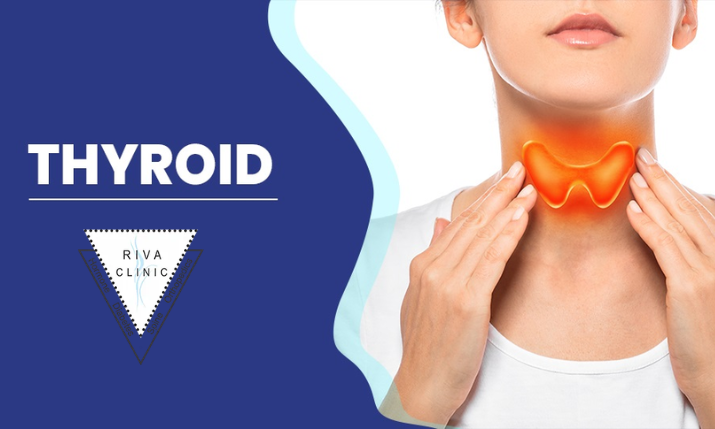
The thyroid is a small, butterfly-shaped gland in the front of the neck. It produces hormones that help regulate metabolism, growth, body temperature, and several important body functions. When it produces too little or too much thyroid hormone, a teenager may experience noticeable changes in health and development.
Understanding the warning signs, thyroid blood tests, and available treatments can help parents know when to seek medical advice. At Riva Clinic in Pitampura, Delhi, Dr. Vaishakhi Rustagi provides pediatric and adolescent endocrinology care for children and teenagers with thyroid and other hormone-related concerns.
What Are the Common Thyroid Problems in Teenagers?
The two main types of thyroid problems are hypothyroidism and hyperthyroidism.
Hypothyroidism occurs when the thyroid gland does not produce enough thyroid hormone. Body functions may slow down, affecting energy, digestion, and growth.
Hyperthyroidism occurs when the thyroid produces too much hormone. This can make several body functions work faster than normal, including the heartbeat and metabolism.
In teenagers, Hashimoto’s thyroiditis is a common cause of acquired hypothyroidism. Graves’ disease is a common cause of hyperthyroidism. Both are autoimmune conditions, in which the immune system mistakenly affects the thyroid.
What Are the Signs of Thyroid Problems in Teenagers?
Symptoms depend on whether the thyroid is underactive or overactive. Some teenagers experience only a few symptoms, and symptoms alone cannot confirm a thyroid condition.
1. Symptoms of an Underactive Thyroid
An underactive thyroid may cause:
- Persistent tiredness or low energy.
- Unexplained weight gain.
- Feeling unusually cold.
- Constipation.
- Dry skin or thinning hair.
- Difficulty concentrating.
- Low mood or changes in motivation.
- Heavy or irregular menstrual periods.
- Slower-than-expected height growth or delayed puberty.
- Swelling at the front of the neck due to an enlarged thyroid.
These symptoms can develop gradually. A particularly important sign in growing teenagers is slower height growth, especially when it occurs alongside other symptoms.
Weight gain alone does not mean a teenager has hypothyroidism. A doctor considers the overall symptoms, growth pattern, examination, and blood test results.
2. Symptoms of an Overactive Thyroid
An overactive thyroid may cause:
- Weight loss despite a normal or increased appetite.
- A fast heartbeat or palpitations.
- Sweating and feeling unusually hot.
- Shaky hands.
- Nervousness, anxiety, or irritability.
- Difficulty sleeping.
- Frequent bowel movements.
- Difficulty concentrating.
- Changes in menstrual periods.
- A visible swelling in the neck.
Some teenagers may experience a decline in school performance or feel restless without understanding why. If these changes persist, medical evaluation can help identify the cause.
3. Changes in Growth and Puberty
Thyroid hormones support normal growth and development. An untreated thyroid disorder may affect height gain, puberty, menstrual cycles, and overall well-being.
Parents should consider medical advice if a teenager’s height growth slows noticeably, puberty appears delayed, or menstrual changes occur alongside other possible thyroid symptoms.
Not every variation in growth or puberty is caused by a thyroid problem. A healthcare professional can assess whether further investigation is necessary.
Which Blood Tests Diagnose Thyroid Problems in Teenagers?
Thyroid blood tests help doctors determine whether the gland is producing the right amount of hormone. The tests ordered depend on the teenager’s symptoms and medical history.
TSH Test
TSH stands for thyroid-stimulating hormone. It is produced by the pituitary gland in the brain and signals the thyroid to produce hormones.
TSH is usually the first blood test used to assess thyroid function. A high TSH level may suggest an underactive thyroid, while a low TSH level may suggest an overactive thyroid. However, results must be interpreted alongside other tests and clinical findings.
Free T4 Test
Free T4 measures the amount of unbound thyroxine available in the blood. It is often checked alongside TSH to help confirm whether thyroid hormone levels are low, normal, or high.
For example, a high TSH with a low free T4 commonly suggests primary hypothyroidism. A low TSH with a high free T4 may suggest hyperthyroidism.
T3 Test
T3 is another thyroid hormone. A doctor may order a T3 test when hyperthyroidism is suspected or when additional information is needed to understand abnormal thyroid results.
Thyroid Antibody Tests
Thyroid antibody tests may help identify autoimmune conditions such as Hashimoto’s thyroiditis or Graves’ disease. These tests are not necessary for every teenager with possible thyroid symptoms.
Important: Thyroid hormone levels and reference ranges can vary with age, laboratory methods, and clinical circumstances. A teenager’s results should be interpreted by a qualified healthcare professional rather than compared directly with adult ranges found online.
How Are Thyroid Problems in Teenagers Treated?
Treatment depends on the type of thyroid condition, its severity, and the teenager’s test results.
Treatment for Hypothyroidism
When the thyroid does not produce enough hormone, doctors commonly prescribe levothyroxine. This medicine replaces the thyroid hormone the body cannot make in sufficient amounts.
The dose is individualised according to the teenager’s needs and adjusted using follow-up blood tests. Regular monitoring is important because hormone requirements can change during growth and puberty.
Parents should follow the prescribed instructions and discuss other medicines, vitamins, and supplements with the treating doctor.
Treatment for Hyperthyroidism
Treatment for an overactive thyroid may include antithyroid medicines, depending on the cause and clinical assessment. Some teenagers may require other treatments under specialist supervision.
Monitoring is essential because both the condition and its treatment can affect thyroid hormone levels. Parents should not start thyroid medicines or supplements without medical advice.
What If the Thyroid Test Is Slightly Abnormal?
A mildly abnormal result does not always mean medication is necessary. In some cases, the doctor may recommend repeating the test, reviewing symptoms, or checking for antibodies before deciding on treatment.
The right approach depends on the teenager’s age, symptoms, growth, test results, and medical history.
When Should Parents Consult a Pediatric Endocrinologist?
Consider arranging a medical assessment if your teenager has persistent fatigue, unexplained weight changes, a swelling in the neck, a fast heartbeat, significant temperature sensitivity, menstrual changes, or slower-than-expected growth.
A pediatric endocrinologist may be particularly helpful when thyroid test results are abnormal, symptoms persist, puberty or growth is affected, or a thyroid disorder requires specialist treatment.
Seek urgent medical care if your teenager experiences chest pain, fainting, severe breathing difficulty, or a very rapid heartbeat accompanied by severe illness.
Frequently Asked Questions
1. What are the first signs of thyroid problems in teenagers?
Early signs may include unusual tiredness, changes in weight, constipation, feeling unusually hot or cold, mood changes, or changes in menstrual periods. Symptoms vary depending on whether the thyroid is underactive or overactive.
2. Which blood test is best for checking thyroid function?
TSH is commonly used as the initial thyroid function test. Free T4 and sometimes T3 or thyroid antibody tests may be ordered to clarify the diagnosis.
3. Can thyroid problems affect a teenager’s height?
Yes. An untreated underactive thyroid can slow height growth and may affect puberty. A teenager with reduced growth velocity should be evaluated to identify the cause.
4. Can thyroid problems in teenagers be treated?
Yes. Hypothyroidism is commonly treated with levothyroxine, while hyperthyroidism may require antithyroid medication or other specialist-directed treatment. Regular follow-up helps ensure appropriate management.
5. Does every teenager with weight gain need a thyroid test?
No. Weight gain can have many causes, including normal development, lifestyle factors, medicines, and other health conditions. A doctor decides whether thyroid testing is appropriate based on symptoms, growth patterns, and medical history.
Explore More from Riva Clinic
https://rivaclinic.com/contact-pediatric-clinic-delhi/
https://rivaclinic.com/about-riva-clinic-delhi/
Book a Consultation at Riva Clinic, Delhi
Persistent tiredness, unexplained weight changes, or unusual growth patterns should not be ignored. If you are concerned about your teenager’s thyroid health, a medical assessment can help determine whether thyroid blood tests or further evaluation are needed.
Contact Riva Clinic to discuss your teenager’s symptoms and arrange an appointment with Dr. Vaishakhi Rustagi.
Riva Clinic – Pitampura, Delhi
- Address: AD 35 A, Tower Apartments, near Power House, Outer Ring Road, entry from Gate No. 1, Service Lane, Delhi – 110034
- Phone: +91 93113-41151 / +91 70421-41515
- Email: contact@rivaclinic.com