

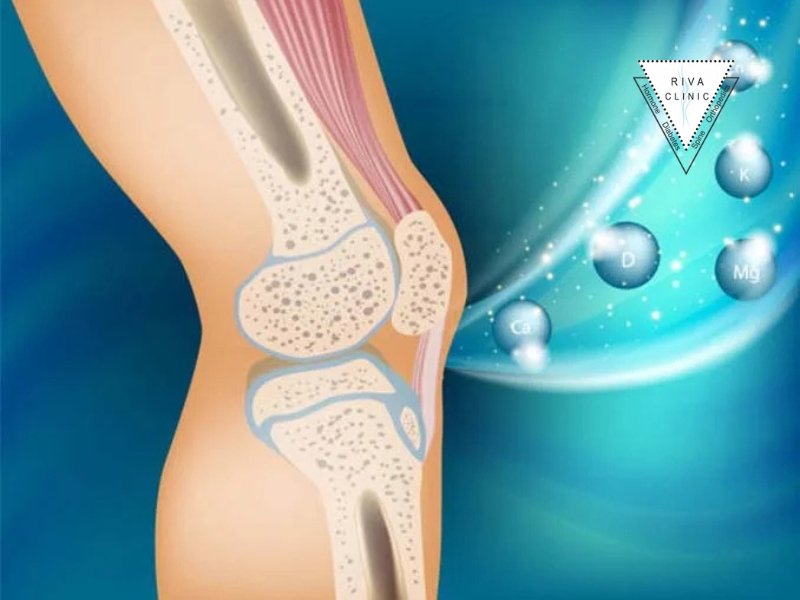
Healthy bones are important for a child’s growth, movement and overall development. During childhood and adolescence, bones are continuously growing and becoming stronger. Calcium, vitamin D, phosphorus and several hormones work together to support healthy bone development.
When there is a problem with calcium balance, vitamin D, phosphorus, hormones or bone mineralization, a child may develop a bone or calcium disorder. These conditions can sometimes affect growth, muscle strength, walking, bone shape or the risk of fractures.
Parents may notice symptoms such as slow growth, bone pain, muscle weakness, bowed legs, frequent fractures or delayed walking. However, these symptoms can have different causes and should not be self-diagnosed.
If you are looking for a pediatric endocrinologist in Delhi for bone and calcium disorders, Riva Clinic provides pediatric endocrine care for children and adolescents. Dr. Vaishakhi Rustagi is a Consultant Paediatric & Adolescent Endocrinologist at Riva Clinic and treats bone and calcium disorders along with growth, thyroid, puberty and other endocrine conditions.
What Are Calcium and Bone Disorders in Children?
Calcium and bone disorders include conditions that affect the way a child’s body absorbs, stores or uses calcium and other minerals needed for healthy bones.
Calcium is essential for strong bones and teeth, while vitamin D helps the body absorb calcium. Phosphorus is also important for bone mineralization. Hormones such as parathyroid hormone and growth-related hormones also influence bone health.
A problem in any of these areas can affect bone development.
Some childhood bone and mineral conditions are related to nutrition, while others may be linked to the kidneys, intestines, parathyroid glands, vitamin D metabolism, genetics or other endocrine conditions.
This is why treatment should be based on the actual cause rather than simply giving calcium or vitamin D supplements.
Common Calcium and Bone Problems in Children
Some conditions that may require pediatric endocrine evaluation include:
- Calcium deficiency or low blood calcium
- Vitamin D deficiency
- Nutritional rickets
- Phosphate disorders
- Hypoparathyroidism
- Disorders of calcium and phosphate metabolism
- Genetic or inherited bone disorders
- Bone weakness or recurrent fractures
- Bone and mineral problems associated with other endocrine conditions
Rickets is one condition that can affect growing bones when mineralization at the growth plates is impaired. Vitamin D deficiency is one possible cause, but rickets can also have other nutritional, metabolic or inherited causes.
Symptoms of Calcium and Bone Disorders in Children
The symptoms depend on the specific condition and its severity.
Parents may notice:
- Bone pain or tenderness
- Muscle weakness
- Delayed walking
- Difficulty walking or climbing stairs
- Bowed legs
- Widening of the wrists or ankles
- Slow height growth
- Delayed physical development
- Frequent or unexplained fractures
- Muscle cramps or spasms
- Dental problems
- Seizures in severe cases of very low calcium
Children with rickets, for example, may develop short stature, bowed legs, delayed walking, muscle pain or changes around the wrists and ankles. Very low calcium can cause muscle spasms or seizures and requires urgent medical attention.
Not every child with one of these symptoms has a calcium or bone disorder. A doctor needs to assess the child’s history, examination and test results.
How Can Calcium Problems Affect a Child’s Growth?
Parents often connect calcium with height because bones need calcium and other minerals to grow properly.
However, calcium alone does not determine a child’s height.
A child’s growth is influenced by genetics, nutrition, hormones, overall health and other factors. Poor mineralization of growing bones can interfere with normal skeletal development, while some endocrine disorders can affect both bone health and height.
If a child is shorter than expected or has slow height gain along with bone symptoms, a pediatric endocrinologist may evaluate both growth and bone health.
Riva Clinic provides evaluation for child growth and height concerns as well as bone and calcium disorders. Its pediatric endocrine services include assessment and management of these conditions.
When Should Parents See a Pediatric Endocrinologist?
Consider consulting a pediatric endocrinologist in Delhi if your child has persistent or unexplained bone, calcium or growth concerns.
A specialist evaluation may be useful if your child has:
- Repeated fractures after minor injuries
- Persistent bone or muscle pain
- Bowed legs or unusual bone shape
- Delayed walking
- Muscle weakness
- Slow height growth
- Abnormal calcium, phosphorus or vitamin D reports
- Low calcium levels
- Suspected vitamin D deficiency with bone symptoms
- A known metabolic or genetic bone disorder
- A history of seizures associated with low calcium
- A condition or medication that may affect bone health
Pediatric endocrinologists play an important role in evaluating bone and mineral disorders in children because these conditions can involve hormones, calcium, phosphorus, vitamin D and other metabolic factors.
What Tests Are Used for Calcium and Bone Disorders?
The tests depend on the child’s symptoms and suspected condition.
A doctor may recommend blood tests such as:
- Serum calcium
- Albumin
- Phosphorus
- Magnesium
- Alkaline phosphatase
- Parathyroid hormone (PTH)
- 25-hydroxy vitamin D
- Other vitamin D-related tests when required
In selected cases, urine tests may also be needed to assess calcium excretion and kidney-related factors.
For suspected rickets, clinical guidance includes evaluation of calcium, phosphorus, vitamin D, PTH and alkaline phosphatase, along with appropriate imaging when required.
Bone X-Ray
If a doctor suspects rickets or another skeletal problem, an X-ray of areas such as the wrist or knee may be recommended.
Bone Density Testing
In selected children with specific medical conditions or fracture concerns, the doctor may consider a bone mineral density assessment. Pediatric results need to be interpreted using age-appropriate standards rather than adult reference values.
The exact tests should be selected according to the child’s clinical history rather than ordering every test for every child.
How Are Calcium and Bone Disorders Treated?
Treatment depends entirely on the underlying cause.
For some children, treatment may include appropriate calcium or vitamin D supplementation. Children with specific hormonal disorders may require targeted treatment. Other conditions may require management of phosphorus levels, active forms of vitamin D or treatment for an underlying kidney, intestinal, genetic or endocrine problem.
For example, children with hypoparathyroidism may require calcium supplementation and an active form of vitamin D such as calcitriol, with monitoring of calcium and urine calcium levels.
This is why parents should not give high-dose calcium or vitamin D supplements without medical advice. Too much calcium or vitamin D can also cause health problems.
The treatment plan should be based on the child’s age, symptoms, laboratory results, underlying diagnosis and overall health.
Can Calcium and Vitamin D Improve Bone Health?
Calcium and vitamin D are important for healthy bones, but more is not always better.
Children need age-appropriate amounts of calcium and vitamin D. Calcium-rich foods and appropriate vitamin D intake can support normal bone development. Weight-bearing physical activity also helps build healthy bones.
Parents can support bone health by encouraging:
- A balanced diet
- Adequate calcium-rich foods
- Appropriate vitamin D intake
- Regular age-appropriate physical activity
- Healthy sleep
- Routine medical care when concerns arise
If a child has a diagnosed calcium or bone disorder, lifestyle measures should complement—not replace—the treatment recommended by the child’s doctor.
Why Early Evaluation Matters
Some bone and mineral disorders can affect a child’s growth and skeletal development if they remain untreated.
For example, suspected rickets should be evaluated promptly because the underlying cause needs to be identified before treatment begins. Pediatric Endocrine Society guidance recommends specialist assessment when rickets is suspected, particularly because different forms can require different treatments.
Early assessment can also prevent parents from using unnecessary supplements when the actual problem may be hormonal, genetic or related to another medical condition.
A pediatric endocrinologist can look at the complete picture, including growth history, diet, physical findings, laboratory results and family history.
Calcium and Bone Disorder Treatment in Delhi at Riva Clinic
At Riva Clinic, Delhi, pediatric endocrinology care includes evaluation of bone and calcium disorders along with growth, puberty, thyroid, diabetes and other hormone-related conditions.
Dr. Vaishakhi Rustagi is a Consultant Paediatric & Adolescent Endocrinologist with expertise in pediatric growth and endocrine conditions, including bone and calcium disorders.
If your child has abnormal calcium or vitamin D reports, recurrent fractures, bone pain, muscle weakness, bowed legs or concerns about growth, a specialist assessment can help identify the underlying cause.
You can also explore Riva Clinic’s Pediatric Endocrinology Care in Delhi for information about related childhood hormone and metabolic conditions.
Frequently Asked Questions
1. What are the symptoms of calcium deficiency in children?
Symptoms can include muscle cramps, spasms, tingling, weakness and, when calcium levels become severely low, seizures. Some children may have few or no obvious symptoms, so laboratory testing may be needed when calcium problems are suspected.
2. Can low calcium affect a child’s height?
Calcium is important for normal bone development, but low calcium is not the only possible cause of poor growth. If a child has slow height gain together with bone or mineral concerns, a pediatric endocrinologist can evaluate the possible causes.
3. What tests are done for bone and calcium disorders?
Depending on the condition, tests may include calcium, phosphorus, magnesium, albumin, alkaline phosphatase, PTH and vitamin D levels. Urine tests and X-rays may also be recommended when appropriate.
4. Is vitamin D deficiency the only cause of rickets?
No. Vitamin D deficiency is one cause, but rickets can also result from problems involving phosphorus, vitamin D metabolism, genetics or other medical conditions.
5. Should I give my child calcium supplements without a test?
It is better to speak with a doctor first. Children need age-appropriate calcium, and excessive supplementation can also cause problems. The right approach depends on the child’s diet, symptoms and medical condition.
6. Which doctor treats calcium and bone disorders in children?
A pediatric endocrinologist can evaluate many childhood calcium, bone and mineral disorders, particularly when the condition involves hormones, vitamin D, calcium, phosphorus or growth.
7. Can bone disorders affect a child’s growth?
Yes. Certain bone and mineral disorders can interfere with normal skeletal development and growth. A child’s height and growth pattern should therefore be considered as part of the overall evaluation.
8. When should I see a pediatric endocrinologist in Delhi?
Consider consultation if your child has recurrent fractures, persistent bone pain, muscle weakness, bowed legs, abnormal calcium or vitamin D reports, slow growth, or another suspected endocrine or metabolic condition.
Concerned About Your Child’s Bone or Calcium Health?
Bone and calcium problems in children can have different causes. Avoid treating symptoms with supplements alone when the cause has not been identified.
If your child has bone pain, recurrent fractures, slow growth, muscle weakness, bowed legs, low calcium or abnormal vitamin D reports, a pediatric endocrine evaluation can help determine what is causing the problem.
Book a consultation at Riva Clinic, Delhi, with Dr. Vaishakhi Rustagi for an individualized evaluation of your child’s bone, calcium, growth and hormone health.
Riva Clinic
Pediatric & Adolescent Endocrinology, Delhi
Call: +91 93113-41151 / +91 70421-41515
Website: Riva Clinic
Book a consultation: Contact Riva Clinic