

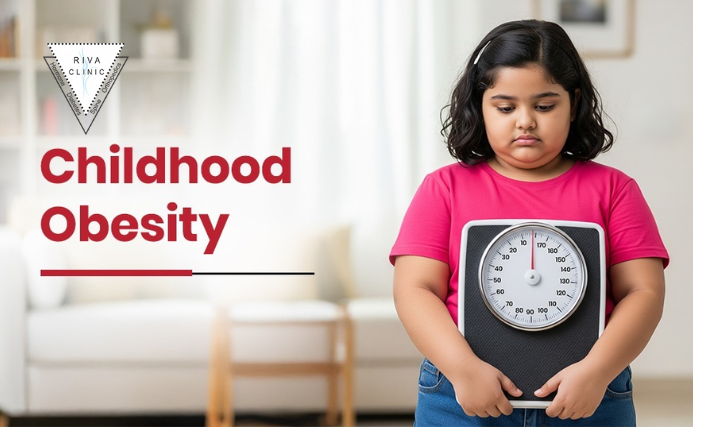
Weight changes during childhood are common, but when a child gains weight rapidly or struggles with weight despite healthy habits, parents may wonder whether hormones are responsible. Childhood obesity is influenced by several factors, including genetics, nutrition, physical activity, sleep, emotional well-being, and the body’s hormonal systems.
Hormones can contribute to weight gain in some children, but most cases of childhood obesity are not caused by an underlying hormone disorder. Understanding the possible causes can help parents recognise when professional assessment is needed.
At Riva Clinic in Pitampura, Delhi, Dr. Vaishakhi Rustagi provides pediatric and adolescent endocrinology care for children with hormone-related concerns. This guide explains how hormones affect weight, which symptoms deserve attention, and when to consult a pediatric endocrinologist.
What Is Childhood Obesity?
Childhood obesity is a medical condition involving excess body fat that may affect a child’s health. It is not diagnosed simply by looking at a child’s body shape or comparing their weight with classmates.
Healthcare professionals assess a child’s weight in relation to their height, age, and sex, usually using age-appropriate growth charts. In India, clinicians may use the relevant Indian Academy of Pediatrics growth references when assessing children and adolescents.
A child’s growth pattern matters as much as an individual measurement. Their medical history, family history, eating habits, activity levels, sleep, and overall development also help the doctor understand the situation.
Childhood obesity can increase the risk of health concerns such as type 2 diabetes, high blood pressure, abnormal cholesterol levels, fatty liver disease, and sleep problems. Early, supportive care can help address these risks.
How Do Hormones Affect Weight in Children?
Hormones are chemical messengers that help regulate growth, appetite, energy use, puberty, and several other body functions. Certain hormonal conditions can contribute to weight gain, although they are not the explanation for most cases.
1. Thyroid Hormones
The thyroid gland produces hormones that help regulate metabolism and support normal growth and development.
An underactive thyroid, known as hypothyroidism, can sometimes contribute to weight gain. Other possible symptoms include tiredness, constipation, feeling unusually cold, and slower growth.
However, weight gain alone does not mean a child has a thyroid problem. A healthcare professional can decide whether thyroid testing is appropriate based on the child’s symptoms and growth pattern.
2. Cortisol and Cushing Syndrome
Cortisol is a hormone involved in the body’s response to stress and several metabolic processes. Rarely, excessive cortisol production, known as Cushing syndrome, can contribute to weight gain.
Possible warning signs include increased weight around the trunk, slowed height growth, muscle weakness, easy bruising, or wide purple stretch marks. Some medicines containing corticosteroids can also affect weight and growth.
These symptoms require medical assessment rather than a diagnosis based on appearance alone.
3. Growth Hormone
Growth hormone helps children grow in height and supports body composition. In uncommon cases, growth hormone deficiency or another medical condition affecting growth may be associated with increased body fat and reduced height growth.
A particularly important sign is weight gain alongside slower-than-expected height growth. This pattern deserves medical evaluation because it may indicate an underlying condition.
Growth hormone treatment is not a general weight-loss treatment. It is prescribed only for specific medical indications following appropriate assessment.
4. Insulin and Blood Sugar Regulation
Insulin helps the body use glucose for energy. Some children with obesity develop insulin resistance, meaning their bodies respond less effectively to insulin.
The pancreas may initially produce more insulin to compensate. Over time, insulin resistance can increase the risk of prediabetes and type 2 diabetes.
Insulin resistance is not the same as a rare hormone disorder causing obesity. A doctor may assess blood sugar and other metabolic risk factors when indicated.
5. Appetite-Regulating Hormones and Genetics
Hormones and signals involved in hunger and fullness help regulate how much a person eats. Genetics can influence appetite, energy balance, and how the body stores fat.
Rare genetic conditions can cause severe obesity beginning at a very young age, sometimes accompanied by unusually strong hunger or developmental concerns. Early-onset, severe weight gain may warrant specialist assessment.
What Causes Childhood Obesity Besides Hormones?
Childhood obesity usually develops through a combination of factors rather than one single cause.
Common contributors include:
- Eating patterns: Frequent sugary drinks, energy-dense snacks, and large portions may contribute to excess energy intake.
- Physical activity: Limited opportunities for active play can reduce daily movement.
- Sleep: Insufficient or disrupted sleep can affect appetite regulation and daily habits.
- Family history: Genes and shared family environments can influence weight.
- Emotional well-being: Stress, anxiety, bullying, and emotional difficulties may affect eating and activity patterns.
- Medicines and medical conditions: Some medicines and certain health conditions can influence appetite or weight.
Childhood obesity is not simply a result of laziness or poor parenting. A supportive, non-judgmental approach helps children develop healthier habits without shame or blame.
When Should You Consult a Pediatric Endocrinologist?
Most children with obesity do not need extensive hormone testing. However, a pediatric endocrinologist may be helpful when weight gain is accompanied by signs suggesting a hormonal or genetic condition.
Consider seeking medical advice if your child has:
- Rapid or unexplained weight gain.
- Weight gain together with slower height growth.
- Height growth that is significantly below the expected pattern.
- Severe obesity beginning in early childhood.
- Excessive hunger that seems unusual or difficult to satisfy.
- Symptoms such as unusual tiredness, persistent constipation, or marked changes in puberty.
- Other concerning changes in growth or development.
Excessive thirst and frequent urination can be warning signs of diabetes and should be assessed promptly. Seek urgent medical care if these symptoms occur with vomiting, abdominal pain, deep or rapid breathing, or unusual drowsiness.
A pediatrician can begin the assessment and refer the child to a specialist if needed.
How Is Hormonal Obesity Diagnosed?
There is no single test that diagnoses every cause of childhood obesity. Assessment usually begins with a detailed medical history and physical examination.
The doctor may review:
- Height, weight, and body mass index (BMI) plotted on age-appropriate growth charts.
- Changes in height and weight over time.
- Family history of obesity, diabetes, thyroid disease, and other conditions.
- Eating patterns, activity levels, sleep, and current medicines.
- Blood pressure and signs of related health conditions.
Depending on the findings, tests may include blood glucose, cholesterol, liver function, or thyroid hormone tests. Other hormonal or genetic investigations are considered when symptoms suggest a specific condition.
Not every child needs every test. The aim is to identify relevant health risks and investigate possible underlying causes without unnecessary testing.
How Can Parents Support a Child With Obesity?
Healthy weight management should focus on long-term health, growth, and well-being rather than rapid weight loss.
Parents can help by:
- Offering balanced meals with vegetables, fruits, whole grains, and suitable protein sources.
- Making water the usual drink and limiting sugary beverages.
- Encouraging enjoyable physical activities suitable for the child’s age and ability.
- Maintaining consistent sleep routines.
- Creating regular meal and snack routines without using food as a reward.
- Making healthy changes as a family instead of singling out one child.
- Avoiding crash diets, weight-loss supplements, and unprescribed medicines.
Children are still growing, so weight-management goals should be individualised by a healthcare professional. Avoid teasing, criticism, or comparisons with other children. Positive support can protect a child’s confidence and encourage lasting habits.
Parents can also explore child growth problems and when to seek medical advice if they have concerns about their child’s height or development.
Frequently Asked Questions
1. Can a hormone problem cause obesity in children?
Yes, certain conditions, including hypothyroidism and Cushing syndrome, can contribute to weight gain. However, most childhood obesity is not caused by an endocrine disorder. Symptoms and growth patterns help determine whether testing is needed.
2. What are the signs of hormonal weight gain in children?
Possible warning signs include rapid weight gain with slowed height growth, unusual tiredness, significant changes in puberty, or other specific symptoms. These signs do not confirm a hormone problem but may warrant medical assessment.
3. Does every child with obesity need hormone tests?
No. Routine hormone testing is not necessary for every child with obesity. Doctors usually consider testing when growth is slower than expected or when symptoms suggest a particular hormonal condition.
4. When should my child see a pediatric endocrinologist?
Consider specialist advice if weight gain occurs with poor height growth, severe early-onset obesity, unusual hunger, or other symptoms suggesting a hormonal or genetic condition. Your child’s pediatrician can help decide the appropriate referral.
5. Can childhood obesity be managed without medication?
Many children benefit from family-based changes to nutrition, physical activity, sleep, and daily routines. Some children may need additional medical treatment depending on their age, health risks, and clinical assessment. Treatment should be tailored to the individual child.
Explore More from Riva Clinic
https://rivaclinic.com/contact-pediatric-clinic-delhi/
https://rivaclinic.com/about-riva-clinic-delhi/
Book a Consultation at Riva Clinic, Delhi
Childhood obesity can have several causes, and hormones are only one part of the picture. If your child is gaining weight rapidly, growing more slowly than expected, or experiencing other concerning symptoms, a professional assessment can help clarify the next steps.
Contact Riva Clinic to discuss your child’s growth, weight, and hormonal health with Dr. Vaishakhi Rustagi.
Riva Clinic – Pitampura, Delhi
- Address: AD 35 A, Tower Apartments, near Power House, Outer Ring Road, entry from Gate No. 1, Service Lane, Delhi – 110034
- Phone: +91 93113-41151 / +91 70421-41515
- Email: contact@rivaclinic.com
Take a positive first step towards understanding your child’s health and supporting their long-term well-being.